You invite them over. They say it was lovely. Nobody mentions it again.
You cook. You clean the house. You buy the good wine. The pasta comes out of a box, the sauce out of a jar, and the evening is pleasant. Then it is forgotten by Monday.
Maybe you tried "spaghetti bolognese" from a blog. In Bologna, nobody eats that.
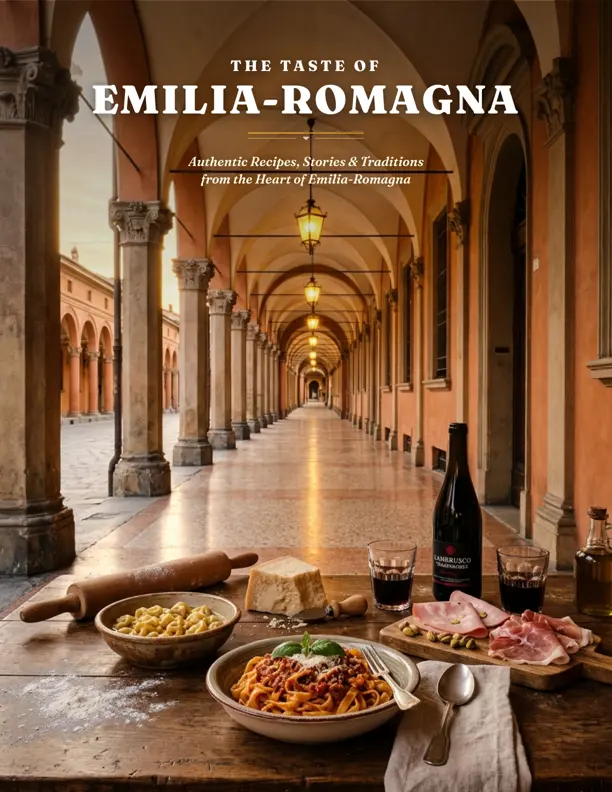
Maybe you once had real tagliatelle al ragù on holiday, under the porticoes, and every attempt since has tasted like something else. Good, just not that.
The recipe wasn't wrong. It was copied from a recipe that was copied from a recipe, until everything that made it Emilian was gone. The egg pasta rolled by hand. The ragù murmuring on the stove since lunchtime. The story your waiter told you while you ate.
In Emilia-Romagna the real recipes were never written for strangers. They were learned at the elbow of someone rolling pasta on a Sunday morning.
It is not your cooking. It is the recipes. You need the ones Emilia actually cooks, and the stories that come with them.
Why Emilia-Romagna tastes like nothing else
Where Italy comes to eat.
One Roman road, the Via Emilia, laid in 187 BC, and a dozen food capitals strung along it: Bologna, Modena, Parma, Reggio, Piacenza, Ferrara, Rimini. Every town gave the world something: Parmigiano Reggiano, Prosciutto di Parma, Mortadella, Aceto Balsamico, tortellini.
Bologna takes its food so seriously that the Accademia Italiana della Cucina deposited the reference recipe for ragù at the city's Chamber of Commerce in 1982. On Sunday mornings the sfogline, the women who rolled the pasta, floured the big wooden board, cracked eggs into a well of flour and rolled a sheet so thin you could read through it. They never used a recipe.
Every dish has a story like that. Tell it as you serve, and your guests stop eating politely and start asking questions. It's half the pleasure of the evening.
Every recipe in the book comes with its story.
Get the cookbook — US$29.99
Your next dinner party, three weeks from now
The evening your friends won't forget.
2:00 in the afternoon.The ragù goes on the lowest flame. By four, the whole house smells like a Sunday in Bologna. The pasta dough is resting under a bowl, the board still dusted with flour.
7:30 in the evening.The doorbell. A board of Parmigiano, mortadella and warm gnocco fritto is already on the table. The Lambrusco is cold and fizzing. Somebody asks what the little puffed breads are. You tell them. Now they're listening.
8:30.The tagliatelle arrive, glossy with the ragù. Someone asks if you made the pasta yourself. You did. The table goes quiet for the first time all night. Then the zuppa inglese, and the story of its odd English name.
"Hang on. Where did you learn to cook like this?"
By the end of the week, someone has asked when you're doing it again.
It won't happen with every recipe on the first try, and we won't pretend it will. But the first time it does, you'll know exactly why, and you'll already be planning the next one.
From the Emilian table
The ones guests ask about first
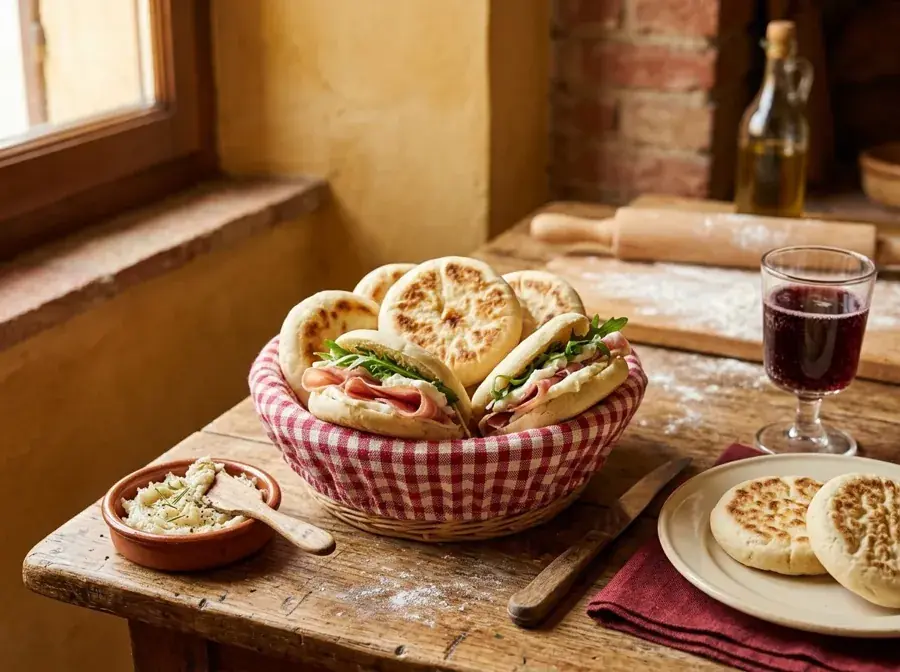
STREET FOODTigelle
The little Modena breads you split open and fill while they are still hot.
Page 16
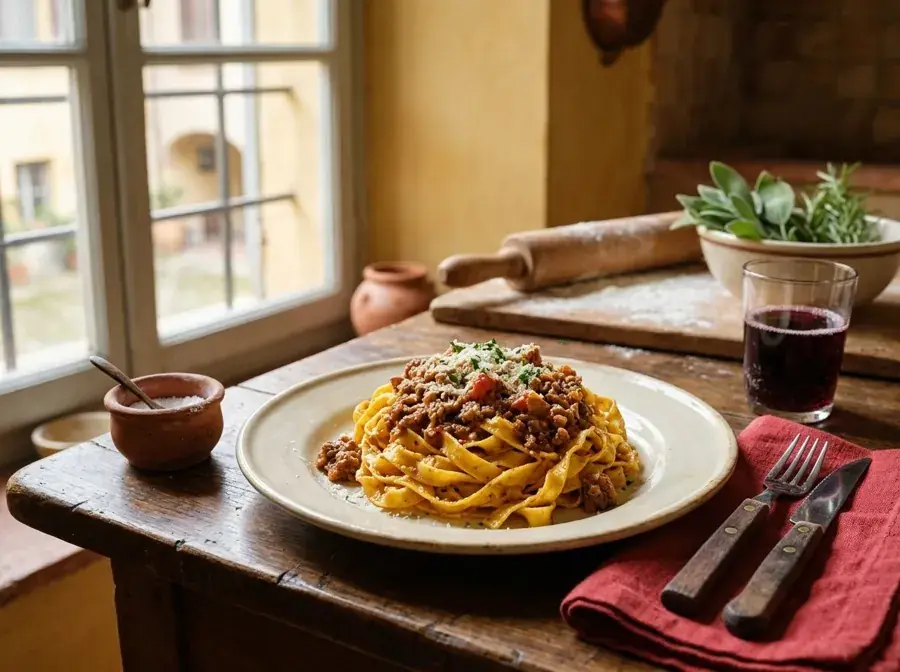
FRESH PASTATagliatelle al Ragù
Bologna's real "bolognese", the one the city deposited as its official recipe.
Page 39
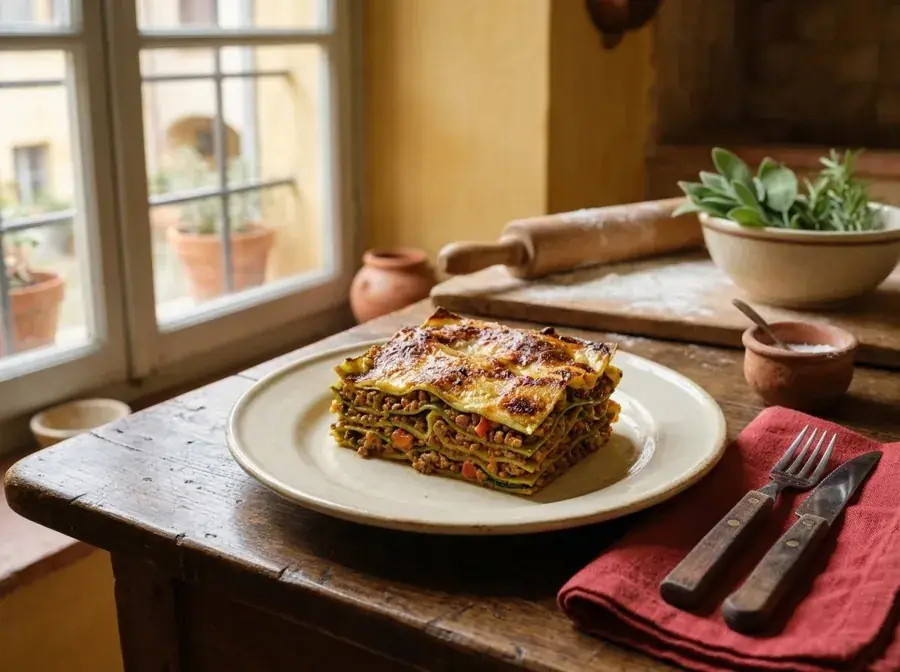
FRESH PASTALasagne Verdi
Green spinach pasta, ragù, béchamel, Parmigiano: the Sunday centrepiece.
Page 42
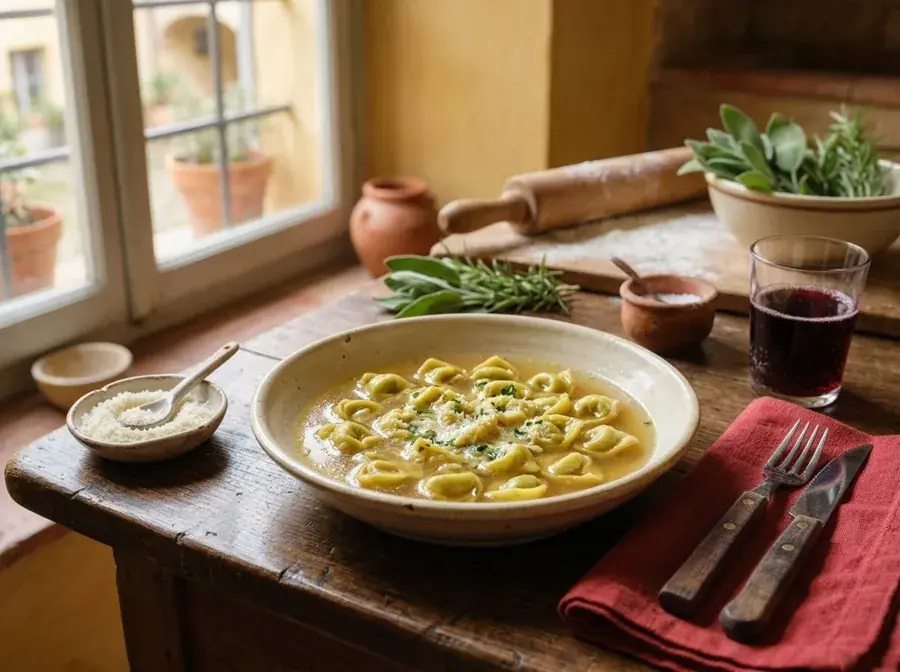
FRESH PASTATortellini in Brodo
Tiny filled pasta in golden broth. Bologna at Christmas.
Page 45
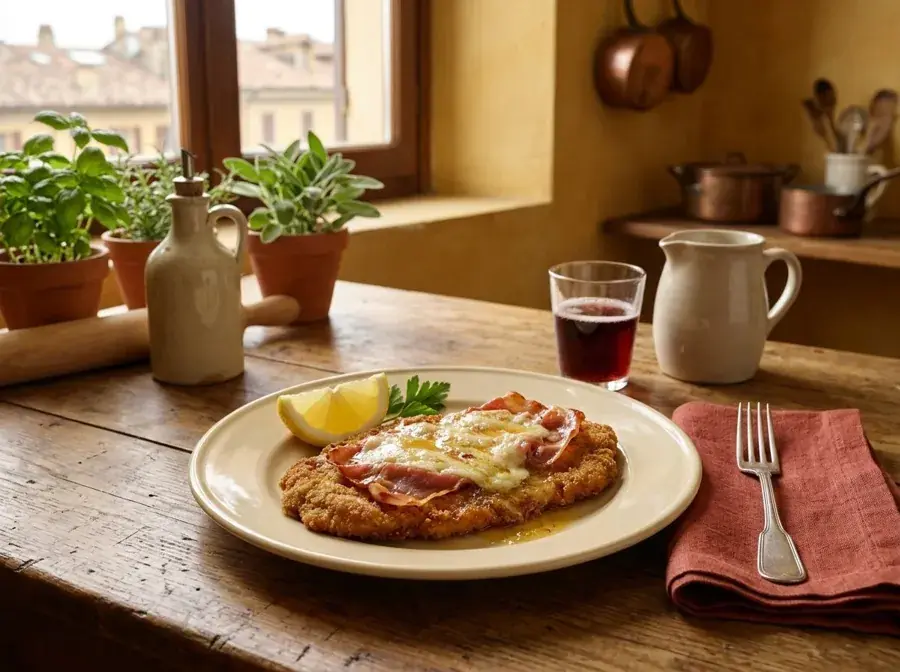
MAINSCotoletta alla Bolognese
Veal, prosciutto and Parmigiano, finished in broth.
Page 83
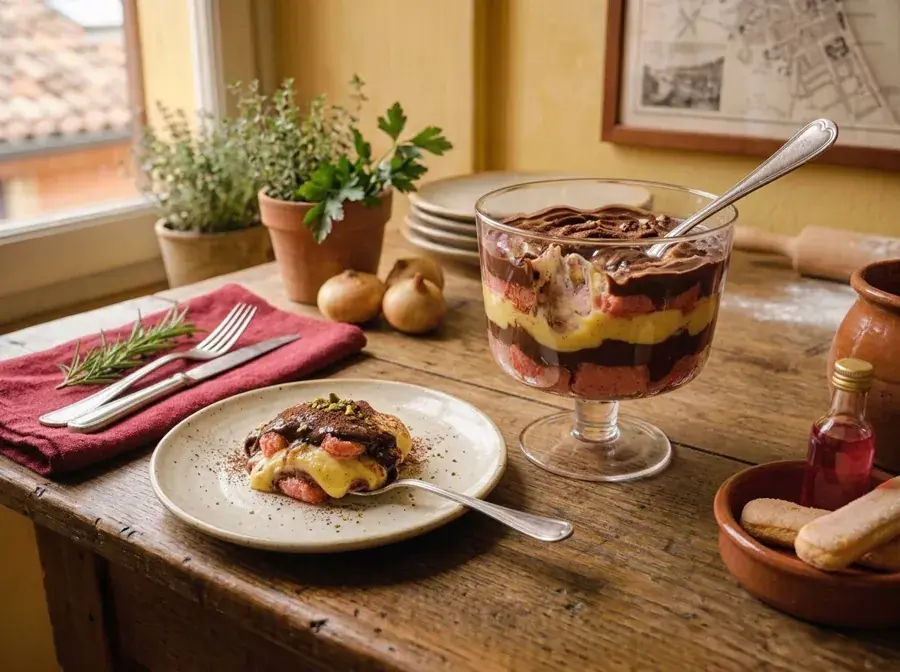
DESSERTSZuppa Inglese
Custard, chocolate and Alchermes: the dessert that ends the argument.
Page 115
Get the cookbook — US$29.99
VISAPayPal🔒 Secure checkout
Who makes these books
From the makers of The Taste of Sicily and The Taste of Naples
We make cookbooks about the regional cooking of Italy, written for people who cook it far from home. The Taste of Sicily came first, then The Taste of Naples. The Taste of Emilia-Romagna follows the same format.
These are the dishes Emilian families actually cook: the Sunday ragù, the Christmas tortellini, the piadina from the Romagna beaches, the zuppa inglese at the end of the meal. Each one is written the traditional way, with its most common variants, because in Emilia every family has its own.
The history is told honestly, too. When something is legend, the book says so.
We're a small publisher, and we answer every email ourselves.